The Unsung Heroes: Essential Roles, Challenges, and the Future of Food Service Workers
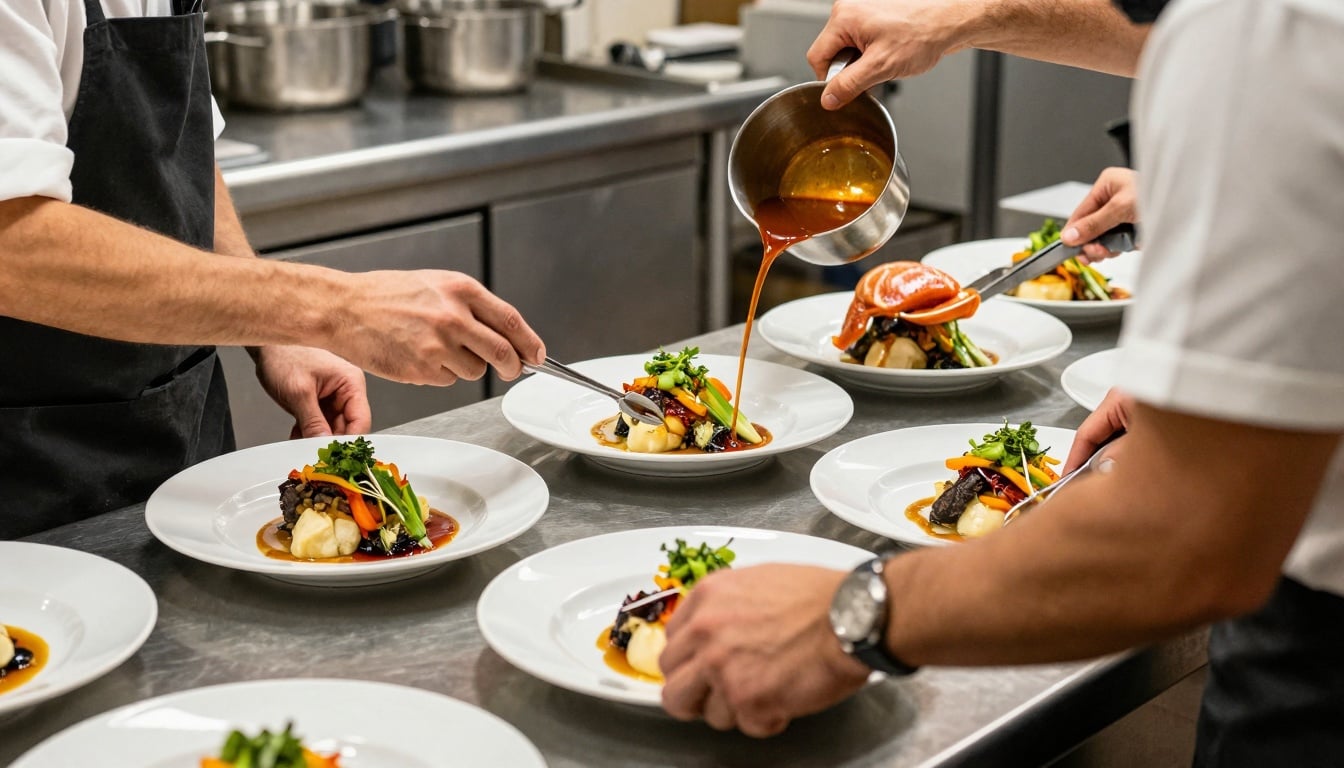
Did you know that food service workers make up over 12 million jobs in the U.S. alone? They keep our meals coming, from quick coffee runs to fancy dinners out. Yet, most folks barely notice them. These pros form the heart of the hospitality world. Food service workers include everyone from front-of-house staff who greet you at the door to back-of-house cooks who whip up your order. They handle the rush, the smiles, and the stress, all to make your dining spot-on.
Understanding the Diverse Landscape of Food Service Roles
Food service jobs cover a wide range. You might start as a newbie or climb to lead a team. Each spot plays a key part in smooth operations. Let’s break it down by area.
Front-of-House Operations: The Guest Experience Creators
Front-of-house roles put you right in the customer’s face. Servers take orders and chat up guests to build tips. Hosts seat folks and keep the waitlist fair. Bartenders mix drinks fast while juggling bar talk. Bussers clear tables quick to keep the flow going.
These jobs shine on people skills. You upsell desserts or handle a picky eater with grace. Ever wonder why some spots feel welcoming? It’s the FOH team’s vibe that does it.
Essential Soft Skills for FOH Success
Emotional smarts top the list for front-of-house wins. You read moods to spot a stressed diner. Conflict fixers calm complaints before they blow up. Active listening turns a bad night around. Practice these, and you’ll stand out in busy shifts.
Teamwork seals the deal too. You pass notes to the kitchen without a hitch. Stay calm under fire—that’s your edge.
Back-of-House Mastery: Culinary Professionals
Back-of-house is the kitchen’s hot zone. Chefs dream up menus and plate masterpieces. Line cooks grill steaks to perfection amid the chaos. Prep cooks chop veggies for hours to set up the line. Dishwashers scrub mountains of plates to keep things sanitary.
Speed and skill rule here. You juggle timers and flames like a pro. One slip, and the whole order slows. But nailing it feels like a win every time.
Navigating Kitchen Hierarchy and Specializations
Kitchens run on ranks, like a ship’s crew. Head chefs call shots on flavors and stock. Sous chefs step in to lead the line. Stations split tasks—sauciers sauce meats just right. Garde manger pros craft cold salads and apps.
Specialties build your path. Master one, and doors open wider. It’s tough, but rewarding when your dish hits the table hot.
Specialized and Support Roles
Not all food service fits neat boxes. Baristas steam milk for your latte rush. Catering crews haul gear to events and serve on site. Food runners dash plates from kitchen to table. Fast-food counter staff ring up burgers and fries in a flash.
These spots vary by spot—think coffee shops versus drive-thrus. Each adds flair to the mix. Support roles keep the big machine turning.
The Importance of Expeditors in High-Volume Settings
Expeditors act as kitchen traffic cops. They call orders and check tickets for errors. In packed nights, they sync FOH and BOH like clockwork. Miss this, and food goes cold or wrong.
They push pace without yelling. High-volume joints rely on them to cut waits. Train for this, and you boost any team’s speed.
The Pressing Challenges Facing Food Service Workers Today
Food service ain’t all glamour. Workers face real hurdles that test grit. From pay woes to burnout, these issues hit hard. But spotting them helps fix things.
Navigating Wage Issues and Compensation Structures
Pay in food service mixes tips and base rates. Servers often earn below minimum with tips making up the rest. Hourly workers in back get steady checks, but tips add thrill. Debates rage on raising the base wage to $15 nationwide.
Tipped systems vary by state. Some spots pool tips for fairness. Others let you keep your own. It keeps things lively, but uneven.
Real-World Impact of Tip Pooling vs. Tip Credit Systems
Tip pooling shares the pot among staff. It evens out slow nights for all. But some resent sharing big hauls. Tip credit lets bosses pay less hourly if tips cover minimum.
In pooling setups, teams bond over shared wins. Credit systems pressure solo earners. Pick your spot wisely—know the rules upfront.
Physical and Emotional Demands of the Job
Shifts stretch long, often 10 hours on your feet. Kitchens hit 100 degrees, while fridges chill bones. Cuts, burns, and slips send thousands to ER yearly—over 100,000 injuries in restaurants alone.
Emotional toll mounts too. Rude guests drain your smile. You fake cheer through fatigue. It’s like running a marathon with heart.
Addressing Burnout and Turnover Rates in High-Pressure Environments
Burnout creeps in from endless rushes. Turnover hits 70% yearly in the field. Workers quit for rest or better gigs.
Fight it with breaks and support. Managers who listen cut quits. Self-care, like quick walks, recharges you.
Labor Shortages and Staffing Instability
Post-pandemic, spots struggle to fill slots. Over 1 million jobs sat open last year. Remaining staff pick up slack, leading to skipped breaks.
Service dips when teams thin out. Customers wait longer, and stress spikes. It’s a cycle that hurts everyone.
Case Study Insight: How Specific Restaurants Adapted to Staffing Shortages
Take Chipotle they cross trained crews to cover lines. It sped things up during crunches. Another, Sweetgreen, used apps for scheduling to match peak times.
These tweaks held service steady. They show flexibility wins when help’s short.
Pathways to Career Growth and Professional Development
Food service offers real ladders to climb. It’s not just temp work—build a path here. Skills grow fast, and doors open wide.
From Entry-Level to Management: The Ladder System
Start as a busser wiping tables. Move to server for tips and tips. Lead shifts next, then aim for manager. Each step teaches more.
Mentors guide you up. Ask questions and watch pros. It’s steady progress if you stick it.
Actionable Tip: How to Effectively Shadow and Learn from Senior Staff
Shadow by offering help on quiet shifts. Note how they handle rushes. Ask for feedback after—it’s gold.
Build trust first. Show you’re eager, not pushy. This speeds your climb.
Acquiring Essential Certifications and Training
Certs boost your resume quick. ServSafe covers food safety basics—must for most spots. TIPS trains safe booze service. Culinary schools offer pro knife skills.
Online classes fit busy lives. Get certified in weeks.
Leveraging Online Resources for Skill Enhancement
Sites like Coursera run mixology courses. YouTube demos knife work free. Software training for POS systems preps you for tech shifts.
Practice daily. These tools make you versatile.
Transferable Skills Developed in Food Service
You learn time crunch mastery here. Juggle orders like a boss—great for any job. Sales from upselling shine in retail.
Customer service transfers to offices. Inventory checks build ops smarts. List these on resumes—they impress.
Technology Integration: How Automation is Reshaping Food Service Jobs
Tech changes the game fast. It eases some tasks but shakes up others. Workers adapt to stay ahead.
The Rise of Digital Ordering and POS Systems
Tablets let guests order sans servers. QR codes scan menus on phones. POS screens track tabs in a blink.
Servers now focus on check-ins, not notes. It cuts errors but needs tech savvy.
Training Best Practices for Adopting New Point-of-Sale Technology
Start with hands-on demos. Role-play orders to build speed. Pair newbies with vets for tips.
Refresh sessions keep skills sharp. This smooths the switch.
Automation in the Kitchen and Delivery Logistics
Robots flip burgers or toss pizzas. Automated fryers time cooks perfect. Delivery apps like Uber Eats link straight to kitchens.
BOH staff shifts to oversight. Fewer hands needed for basics.
Preparing Workers for Coexistence with Kitchen Robotics
Learn bot controls early. Safety drills prevent mishaps. Focus on creative tasks machines can’t touch.
Embrace it—tech frees time for better work.
Conclusion: Recognizing Value and Investing in the Future Workforce
Food service workers hold the line in our daily eats. They face tough pay, grueling hours, and staffing woes, yet deliver joy plate by plate. Tech brings change, but human touch stays key.
Key takeaways? Value these roles with fair wages and smart schedules. Climb the ladder through certs and skills that transfer anywhere. The future looks bright if we invest in training and respect.
Next time you dine out, tip big and say thanks. These heroes deserve it. What’s your food service story? Share below—we’d love to hear.