
The Essential Guide to Production Operations Employee Roles: Skills, Responsibilities, and Career Pathways
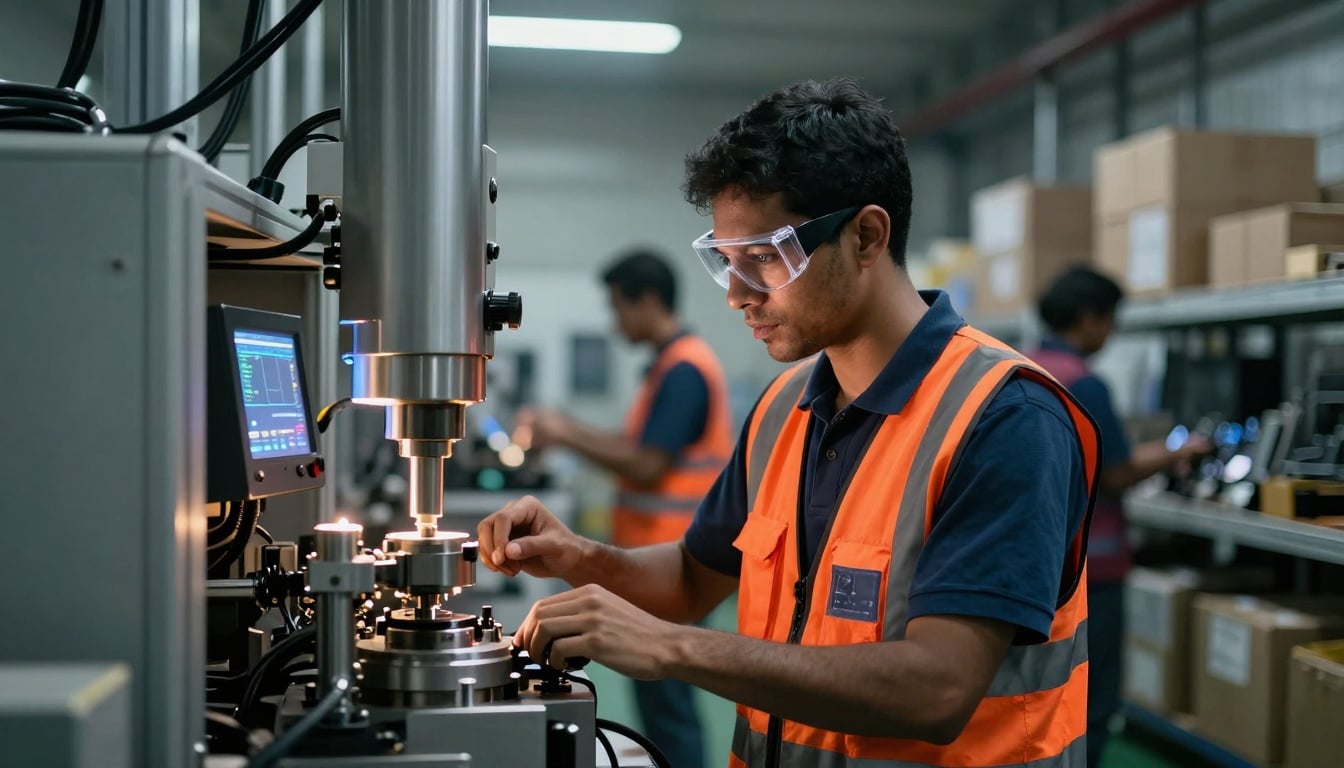
In the global supply chain, production operations employees keep things running. They handle the daily grind that turns raw materials into finished goods. Without them, factories grind to a halt, and products never reach shelves. These workers shape product quality and boost efficiency, which directly affects a company’s bottom line.
A production operations employee covers many jobs. Think assembly line workers, machine operators, or process helpers on the shop floor. They make sure everything flows from start to finish. This guide breaks down their main tasks, key skills, tough spots they face, and paths forward in this vital field.
Core Responsibilities of the Production Operations Employee
Production operations employees focus on steady work each day. They aim for high output while keeping quality high and following set rules. Their efforts cut waste and meet deadlines.
Maintaining Production Line Efficiency and Throughput
You track the flow of work to spot slowdowns early. This means watching machines for issues that slow things down. Key measures like units per hour help gauge success.
Bottlenecks happen when parts pile up or tools fail. You adjust setups or reroute tasks to keep pace. Strong monitoring leads to smoother runs and higher yields.
Start your shift with a quick 5S audit. Sort items, set them in place, shine surfaces, standardize checks, and sustain habits. This simple step clears clutter and boosts focus right away.
Quality Control and Defect Prevention
Quality starts with you on the floor. You follow standards like ISO rules to catch flaws before they spread. Visual checks and tests ensure parts meet specs.
When issues arise, you log non-conformance reports. This tracks problems and helps fix root causes. Good records prevent repeats and protect the brand.
Take the auto industry, for example. Many plants use Six Sigma to cut errors in assembly. Workers there inspect each step, which keeps vehicles safe and reliable.
Equipment Operation and Routine Maintenance
You run machines from basic tools to advanced robots. Safety comes first—always follow lockout rules before tweaks. This keeps you and the team out of harm.
Basic fixes, like clearing jams or oiling parts, fall to you. Spot wear early to avoid big breakdowns. Daily checks extend machine life and cut repair costs.
Training covers specific gear, such as presses or conveyors. Hands-on practice builds confidence. Over time, you handle more complex tasks without help.
Essential Skills and Qualifications for Success
Success in this role mixes hands-on know-how with people skills. You need tech chops to operate tools and soft traits to work well with others. These build a strong base for daily wins.
Technical Proficiency and Certifications
Read blueprints to grasp assembly steps. Use systems like MES to log progress in real time. Know basics of PLC controls for automated lines.
Certifications matter too. Welding tickets or CNC skills open doors. Factories now demand digital skills—over 70% of jobs need basic computer use, per recent reports.
Practice on simulators helps. It sharpens accuracy without risk. Employers value these proofs of ability.
Problem-Solving and Critical Thinking Under Pressure
Breaks happen fast in production. You diagnose a jam or fault quickly. Weigh options while sticking to safety steps.
Think of it like a puzzle under a clock. Pull from past fixes to choose the best path. Quick calls keep lines moving.
Training drills build this edge. Role-play scenarios to practice calm responses. It turns stress into smart action.
Teamwork and Communication in a Fast-Paced Environment
Shifts hand over key details you share notes clearly. Talk to bosses about needs or engineers on changes. This links production with other areas like shipping.
Clear words avoid mix-ups. Use simple terms in meetings or logs. Strong teams hit goals together.
Build bonds through daily chats. Listen to input from peers. It fosters trust and smoother ops.
Navigating Safety, Compliance, and Regulatory Environments
Safety rules top the list in manufacturing. You follow them to shield workers and meet laws. Compliance ensures products pass checks and avoid fines.
Adherence to OSHA Standards and Workplace Safety Protocols
OSHA sets the bar for safe shops. Use LOTO to shut power during repairs. Wear PPE like gloves, goggles, or helmets every time.
Spot hazards like spills or loose wires. Report them right away. This proactive habit saves lives.
Think ahead scan your area before starting. It beats waiting for trouble. Safe floors run longer and better.
Documentation and Traceability Requirements
Logs track every batch. Accurate entries build an audit trail. This proves compliance in fields like food or drugs.
Use digital tools for speed. Double-check data to avoid errors. It supports recalls if needed.
In pharma, traceability saves time during checks. Your notes link parts to outcomes. Solid records build trust with regulators.
Understanding Lean Manufacturing Principles
Lean cuts waste to boost value. You spot Muda like extra motion or waits. Apply Kaizen for small, ongoing tweaks.
Join teams for improvement events. Suggest changes from your view on the floor. It trims costs and lifts morale.
Workers who grasp Lean see the big picture. Their input drives real gains. Over months, habits stick firm.
Career Progression and Future Trends in Production Operations
Growth waits for those who learn and adapt. Start simple, then climb with skills. Tech shifts roles, but chances abound.
Pathways from Entry-Level to Supervisory Roles
Begin as an operator learning basics. Move to senior status with solid output. Next, lead a team guide shifts and solve group issues.
From there, supervise production. Manage schedules and train new hires. Top spots like operations manager oversee whole plants.
Key shifts include leadership classes. Gain cross-department views. It paves the way up.
The Impact of Automation and Industry 4.0
Robots take repetitive jobs. You now watch systems and tweak settings. Learn to read data from sensors.
Industry groups note 80% of staff need upskilling by 2030. Basic robot handling becomes standard. It makes roles smarter, not smaller.
Adapt by training on new tools. This keeps you key in smart factories.
Strategies for Continuous Professional Development
Cross-train in other areas like quality or maintenance. It broadens your edge. Seek certs in safety or tech fields.
Community colleges offer associate degrees in manufacturing. Online courses fit busy schedules. Dedicate time weekly to grow.
Track progress with goals. Share wins with mentors. Steady steps lead to big advances.
Conclusion: The Future of Manufacturing Rests on the Floor
Production operations employees turn plans into real products. They stand at the heart of it all. Their work drives the output that powers economies.
Master tech skills with firm habits for the win. Balance both to thrive amid changes. These roles offer steady paths with rising demands.
As factories modernize, your spot grows vital. Grab training now to lead tomorrow. Step in build a career that matters.